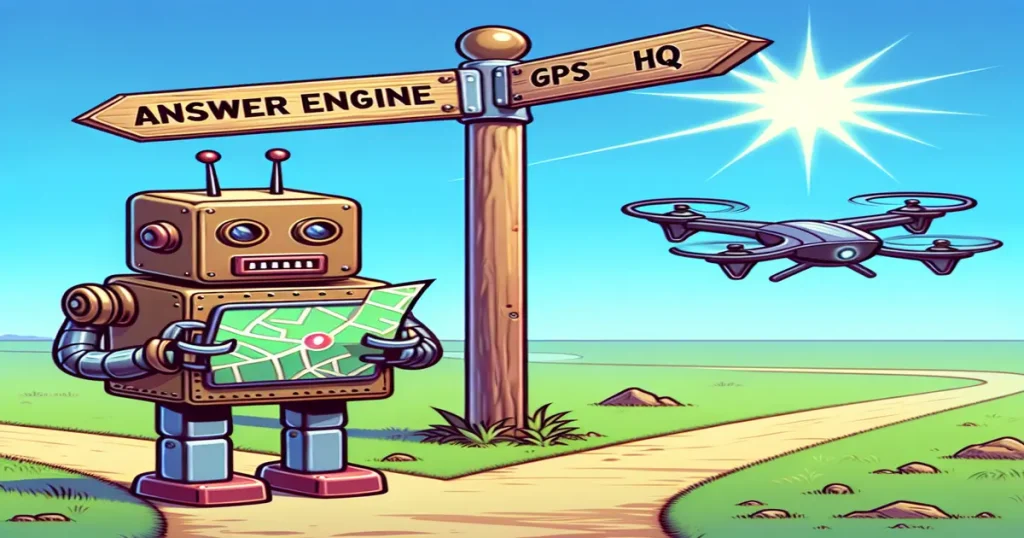
How does shifting from SEO to AEO revolutionize your 2025 content strategy?
Are you pouring resources into SEO, only to remain invisible to your best-fit B2B clients? The rules have changed—search engines are now answer engines, and if you’re not adapting, you’re feeding the beast with empty calories. Here’s how making the leap to Answer Engine Optimization (AEO) will not only increase your visibility, but also attract the right leads in 2025—faster, with less waste, and more trust.
What You’ll Learn
|
Why is traditional SEO failing B2B firms in 2025?
You used to climb the search ladder with keywords, backlinks, and technical tweaks. But now, Google and AI-powered platforms don’t just want websites—they want answers. If your content is a maze of buzzwords and jargon, it’s invisible to both decision-makers and the AI bots powering modern search and voice queries.
Here’s the real kicker: even if you’ve nailed the old SEO game, you’re likely attracting tire-kickers, not buyers. B2B leaders want quick, credible answers, not a sales pitch buried on page three. The cost of clinging to yesterday’s playbook? Lost deals, wasted spend, and a brand nobody remembers.
What is Answer Engine Optimization (AEO) and how does it work?
AEO is the art of making your content the “direct answer” to the questions your ideal clients are asking—on Google, voice assistants, AI chatbots, and beyond. Think of it like this: SEO is a map, but AEO is the GPS that gets your audience straight to the answer they need, when they need it.
When you optimize for AEO, your content is structured for clarity, context, and credibility. This means using natural language, bullet points, clear headings, and answer-first formatting. You’re not just writing for algorithms—you’re delivering trust at machine speed, putting your expertise in the spotlight and eliminating the AI blind spot that keeps you hidden.
How do you make the switch from SEO to AEO in your content?
Start by mapping the questions your best-fit clients actually ask—not just what keyword tools spit out. Use tools like “People Also Ask,” client FAQs, and sales calls to capture real-world queries. Then, structure your content to answer those questions directly and succinctly, using clear H1 and H2 headings, tables, bullet lists, and conversational language.
Don’t bury the answer; lead with it. Feed the beast what it craves: context-rich, skimmable insights that make you the instant authority. Sprinkle in analogies, practical steps, and even address objections upfront. Every section should scream, “Here’s what you need, right now.”
What are the benefits of AEO for B2B firms seeking better-fit leads?
With AEO, you’ll see a dramatic reduction in low-quality leads and a spike in decision-makers who already trust you before a sales call. Why? Because you’re delivering value first, not hiding behind a wall of forms and fluff. You become the visible expert, not just another vendor shouting into the void.
This visibility isn’t just about rankings—it’s about becoming the answer in your category. The more your expertise surfaces in AI-generated summaries, voice search, and rich snippets, the more you own your niche. Invisible companies don’t get hired. AEO flips the script, making you the obvious choice.
How can you measure AEO success in 2025?
Tracking AEO impact goes beyond organic traffic. You want to see higher engagement on your answer-focused content, more direct inquiries from qualified leads, and increased appearances in featured snippets or voice search results. If you’re hearing clients say, “I found you because you answered my question,” you’re winning.
You should also monitor your presence in AI-generated recommendations and “People Also Ask” boxes. The new metric isn’t just clicks—it’s trusted visibility. If you’re not showing up as the go-to answer, your pipeline will stall, no matter how much traffic your website gets.
So in summary
The shift from SEO to AEO is no longer optional for B2B firms who want to stand out, attract the right clients, and grow faster.
Stop optimizing for robots and start optimizing for real-world questions. Turn your expertise into answers—and watch your inbound pipeline transform in 2025.
Checklist
- Identify your clients’ actual questions using sales calls and FAQs
- Structure every blog and page to lead with the answer
- Use conversational headings and bullet points for clarity
- Monitor your visibility in featured snippets and AI-generated answers
- Ask yourself: Is my content the obvious answer for decision-makers?
- Search for “how to optimize for answer engines in 2025” and benchmark your content
FAQ
What is the difference between SEO and AEO?
SEO is about optimizing for search engines with keywords and links, while Answer Engine Optimization (AEO) structures your content to deliver direct, trustworthy answers for both humans and AI-powered platforms. AEO is focused on visibility in snippets, voice search, and chatbots—not just rankings.
Why should B2B firms prioritize AEO in 2025?
B2B buyers want immediate, credible answers. AEO ensures your expertise surfaces in the exact moments decision-makers are searching for solutions, resulting in more qualified inbound leads and less time wasted on unqualified traffic.
How do I start optimizing for AEO?
Begin by listing your clients’ real questions, then structure your content to answer them directly with clear headings and concise language. Use bullet points, tables, and summaries to make answers easy for both people and AI to find and use.
What are the benefits of AEO for lead quality?
AEO helps filter out unqualified leads by providing clear, authoritative answers that attract only those who resonate with your expertise. You’ll spend less time educating and more time closing, with clients who already see you as the go-to solution.
How can I tell if my AEO strategy is working?
Look for increased presence in “People Also Ask” boxes, featured snippets, and voice search results. If prospects mention finding you by a specific answer or solution, your AEO is on the right track.
Is AEO just for blogs or my whole website?
AEO should be applied across your entire digital presence—from blogs and landing pages to service descriptions and video content. The goal is to make every piece of content a direct answer to your clients’ top questions.
Can AEO be used on platforms like YouTube?
Absolutely. Structuring your YouTube videos around answering key questions increases your chances of being featured in video snippets and AI-generated recommendations, boosting both visibility and authority.