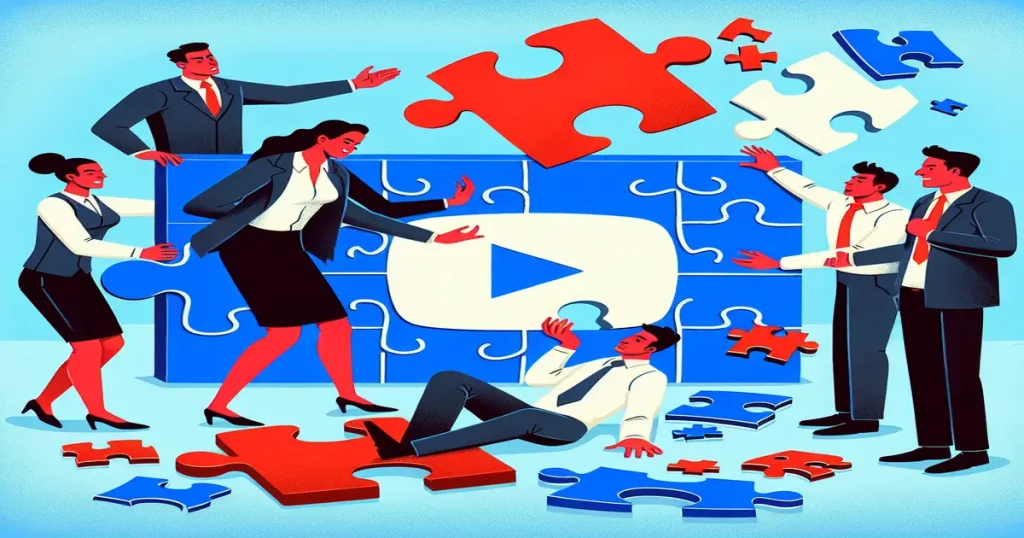
How to Create a Structured Content Strategy for YouTube in 2025?
You know you need to be visible, but every time you open YouTube, it feels like jumping into a shark tank with no plan and no bait. B2B service firms who “wing it” on YouTube get ignored, while a structured content strategy turns your expertise into inbound leads and authority—fast. So, how do you build a content strategy for YouTube that actually works in 2025? Start with these actionable steps, skip the fluff, and watch your visibility explode.
What You’ll Learn
|
Why should B2B service firms use YouTube for visibility in 2025?
Invisible companies don’t get hired. If your expertise lives only in boardrooms, LinkedIn posts, or behind paywalls, you’re leaving money on the table. YouTube is the #2 search engine in the world and the #1 place business buyers go when they want to “check you out without talking to you.” By 2025, not showing up on YouTube is like refusing to answer your phone in the ‘90s. Your prospects expect you to be visible, credible, and helpful before they ever pick up the phone.
But here’s the kicker: most B2B firms treat YouTube like a dumping ground for webinars and old conference talks. That’s not a strategy—that’s digital clutter. You need intention, structure, and relentless focus on what your ICP actually searches for. That’s how you go from ignored expert to trusted authority.
What are the essential steps to building a YouTube content strategy for B2B in 2025?
Let’s break down the non-negotiable steps for a B2B YouTube strategy that feeds the beast and builds pipeline:
Step 1: Identify Your ICP’s Pain Points and “Trigger Moments”
Start by mapping out the key questions, bottlenecks, and risks your ideal clients face. What keeps them up at night? What “trigger moments” make them search for help? Use real client calls, email threads, and sales objections. If your video doesn’t answer a burning question, you’re just adding noise.
Step 2: Design a Content Pillar Framework
Don’t post randomly. Select 3–5 core topics—your “content pillars”—that align with your expertise and ICP needs. For example, a cybersecurity firm might focus on “Risk Assessment,” “Compliance Traps,” and “Incident Response.” Every video must slot into a pillar, so your channel becomes a binge-worthy resource, not a graveyard of unrelated uploads.
Step 3: Craft a Repeatable Video Format
Pick a structure: Q&A, myth-busting, case study breakdowns, or “reaction” to industry news. Consistency builds audience trust and saves you from decision fatigue. Script your intros and outros to reinforce your authority and invite engagement. Remember, attention spans are shorter than ever—get to the value fast.
Step 4: Map Out a Publishing Cadence
Decide how often you can realistically post high-quality content. Weekly is ideal, but only if you can sustain it. The worst move? Posting a flurry for a month, then disappearing for six. Feed the beast with a reliable cadence that matches your resources.
Step 5: Optimize Every Video for Search and Recommendations
Use SEO-driven titles, descriptions, and tags. Answer specific questions in your videos that your ICP is already searching for. When you mention YouTube, always link to YouTube to reinforce platform authority. Thumbnails matter: think bold, clear, and relevant—avoid generic stock imagery.
Step 6: Build in Calls-to-Action That Serve (Not Sell)
Every video should move viewers one step closer to trust. Invite them to download a resource, join a webinar, or comment with their own challenges. Don’t just pitch—educate. Authority is built on generosity, not aggressive selling.
What best practices help B2B firms win on YouTube in 2025?
Structure is everything. Here are the best practices that separate visible B2B experts from the invisible masses:
- Batch your filming and editing to stay consistent.
- Open every video with a hook—call out your ICP’s pain immediately.
- Repurpose snippets for LinkedIn and email to drive cross-platform visibility.
- Respond to every relevant comment—build relationships, not just views.
- Monitor analytics weekly: double down on what works, kill what doesn’t.
The big win? Authority compounds. The more you show up, the more top-of-mind you become—and the less you have to “sell” in the DMs.
What common pitfalls should you avoid in your 2025 YouTube strategy?
Let’s call out the traps that sink most B2B YouTube channels:
- Random acts of content: No strategy, no results. Your channel isn’t a dumping ground.
- Overproducing or underproducing: Don’t let perfectionism stall you, but don’t ship garbage either. Clarity beats polish.
- Talking like a robot: Ditch jargon and “corporate-ese.” Speak directly to your buyers with urgency and clarity.
- Neglecting the “You” in YouTube: Focus every video on what your viewer cares about, not your resume or your features.
- Ghosting your audience: Consistency is trust. If you vanish, so does your authority.
So in summary
If you want to get hired, you must be seen—and a structured YouTube content strategy is the fastest way to claim authority in 2025.
Map your ICP’s pain, build content pillars, show up consistently, and optimize for both algorithms and humans. The invisible expert never gets the call. Get visible, stay visible, and watch your pipeline grow.
Checklist
- Define your B2B ICP and their top pain points
- Build 3–5 content pillars for your YouTube channel
- Set a realistic, non-negotiable publishing schedule
- Script every video with a clear hook and call-to-action
- Optimize titles, descriptions, and thumbnails for search visibility
- Review analytics weekly and adjust your content strategy
FAQ
How often should B2B firms post on YouTube for best results in 2025?
Consistency beats frequency. If you can sustainably post weekly, that’s ideal. But a biweekly or monthly cadence is better than a burst-and-ghost approach. The key is showing up on a predictable schedule, so your audience and the algorithm know you’re reliable.
What type of video content works best for B2B service firms?
Value-packed, question-driven videos (e.g., “How to solve X problem” or “What to do when Y happens”) outperform generic webinars or sales pitches. Use case studies, Q&A, and myth-busting formats to both educate and build trust with your ideal clients.
How do I know what my ICP is searching for on YouTube?
Listen to your sales calls, mine your email inbox, and use YouTube’s autocomplete and analytics tools to spot the exact language and questions your buyers use. Build your video topics directly from these real-world pain points, not just industry trends.
What’s the biggest mistake B2B firms make on YouTube?
The biggest mistake is lack of strategy—posting random content with no clear purpose or target audience. This leads to low views, low engagement, and ultimately, wasted effort. Structure every upload around your ICP and content pillars for maximum impact.
How do I turn YouTube viewers into business leads?
Every video should include a clear, value-driven call-to-action: download a guide, book a call, join a webinar. Authority breeds trust, and trust leads to pipeline—if you invite your viewers to take the next step.
Should I invest in expensive video production for YouTube?
Clarity beats polish. While good lighting and audio help, your viewers care far more about substance than cinematography. Focus on delivering actionable insight and authenticity over high-budget production.