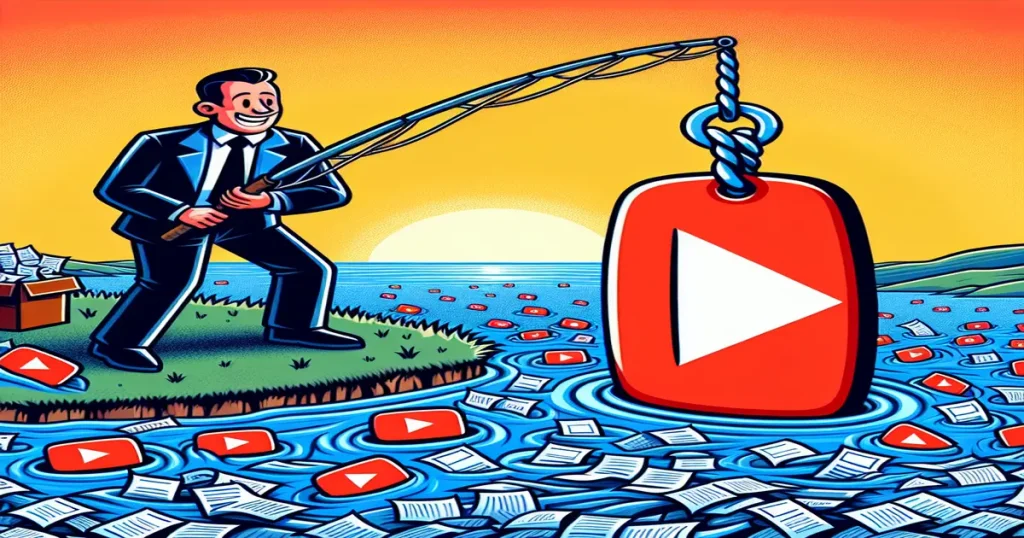
Maximizing YouTube for B2B Lead Generation
You’re tired of pouring resources into channels that don’t move the needle. Your expertise is real, but your pipeline is starving. If your B2B business feels invisible online, YouTube is the most underused—and most powerful—lead magnet you’re ignoring. Let’s change that, before your competitors eat your lunch.
What You’ll Learn
|
The B2B Visibility Crisis: Why Most Firms Stay Invisible
Let’s get brutally honest—most B2B firms are invisible online. You pour effort into blogs, whitepapers, and LinkedIn posts, but when your ICP Googles for solutions, you’re nowhere. Invisible companies don’t get hired. Your buyer is searching, comparing, and shortlisting without ever talking to sales. If you’re not visible where they look, you’re out before the race begins.
YouTube isn’t just for B2C or entertainment anymore. It’s the second largest search engine, crawling with decision-makers hunting for knowledge they can trust. If you aren’t showing up with answers in video form, you’re handing leads to bolder competitors. The pain? Obscurity. The cost? Stalled growth.
Why YouTube Video Crushes Text for B2B Trust and Authority
Think about it: would you trust a faceless PDF, or a real expert teaching you, on camera, how to solve your problem? Video humanizes expertise. It builds trust fast. People buy from people, not from logos or jargon-filled PDFs. Video content lets your future clients see you, hear your approach, and decide if they want to work with you—before they ever hit your site.
Even better, YouTube videos appear in Google search results, voice search answers, and AI chat summaries. This is the visibility flywheel: one piece of video content can dominate multiple channels, feeding the beast of both organic and generative search. Now you’re not just visible—you’re everywhere your buyers look for answers.
Creating Educational Content That Pulls in the Right Leads
Here’s the secret: your video content isn’t about you—it’s about your customer’s pain. Think of your YouTube channel as a magnet, not a megaphone. What questions keep your ICP up at night? What mistakes are costing them money or reputation? Build videos that answer those, fast, in plain English.
Don’t overcomplicate. Start with “How to…” or “Why does…” questions you answer for clients every day. Use analogies, stories, and blunt advice—no fluff, no buzzwords. Teach like you’re talking to your best client over coffee. When you spotlight their pain, show the cost of inaction, and hint at a simple fix, you’re not just educating—you’re earning trust and attention.
Framework: The “Teach Before You Pitch” Model
Lead with value. Start each video by naming the pain point (“Struggling to get leads from your website?”). Break down the root cause (“Most B2B sites are digital brochures, not lead magnets.”). Teach a specific fix (“Here’s the 3-step process our clients use to triple inbound calls…”). End with an invitation, not a hard sell (“If this sounds familiar, let’s talk.”). This model positions you as the trusted guide, not a desperate vendor.
Include strong visuals, clear takeaways, and next steps. Remember, you’re solving, not selling. The right leads will come to you.
Feeding the YouTube Algorithm: Visibility Tactics for B2B
YouTube rewards consistency and clarity. The more you publish, the more data YouTube has to recommend your videos to the right viewers. Feed the beast: set a regular cadence—weekly, bi-weekly, whatever you can sustain. Use plain-English titles packed with your ICP’s search phrases (“How to automate B2B lead follow-up,” not “Strategic digital enablement for enterprise solutions”).
In your descriptions and tags, repeat the pain points and solutions you address. Use clear thumbnails and bold opening hooks to grab attention in the feed. The algorithm is hungry for content that keeps people watching and learning. Give it what it wants: answers, not pitches.
From Viewer to Pipeline: Turning Attention into Inbound Leads
Here’s where most B2B firms blow it—they educate, but never invite. Every video should include a call to action: invite viewers to download a lead magnet, book a strategy call, or simply subscribe for more answers. Make the next step brain-dead simple. Don’t bury your CTA in jargon or endless talking. Speak directly: “If you’re serious about fixing this, let’s talk.”
Track which videos drive the most engagement and inquiries. Double down on those topics. Over time, your channel becomes a compounding asset—working 24/7 to build authority, trust, and a pipeline of leads who already know, like, and trust you.
So in summary
B2B firms that ignore YouTube are choosing invisibility. The ones who show up, teach, and solve pain on video become magnets for high-quality leads.
If you want authority, trust, and a pipeline that grows while you sleep, it’s time to step from the shadows and feed the beast. Your future clients are watching—are you showing up?
Checklist
- Define your ICP’s top three pain points before hitting record
- Create at least one educational video per week addressing real buyer questions
- Use search-friendly, plain-English titles for every video
- Always include a clear, “you”-centric call to action
- Track which videos generate inbound pipeline and double down
- Search: “How can YouTube help B2B lead generation?” to spot new topic ideas
FAQ
How can B2B companies use YouTube for lead generation?
B2B companies can leverage YouTube by creating educational videos that directly address their ideal clients’ pain points. By teaching solutions and sharing expertise on camera, you build trust and attract qualified leads who find you through search, recommendations, and social sharing.
What type of content works best for B2B on YouTube?
Content that answers real buyer questions, demonstrates expertise, and offers actionable advice performs best. “How-to” tutorials, industry insights, and case studies attract leads because they show you understand the real problems your audience faces.
Why is video better than text for B2B visibility?
Video builds trust faster because prospects can see and hear your expertise. YouTube videos also show up in search results, voice answers, and AI summaries, multiplying your chances of being found by decision makers researching solutions.
How often should B2B firms post on YouTube?
Consistency wins. Posting at least once per week keeps your channel active and signals to YouTube’s algorithm that you’re a valuable source of answers. Over time, regular uploads compound your visibility and lead flow.
What’s the best way to turn viewers into leads?
End every video with a clear, direct call to action—invite viewers to book a call, download a resource, or subscribe for more. Make the next step obvious and frictionless so viewers become pipeline, not just passive watchers.