You’re ready to hire someone who can actually deliver AI automation that works. Not another agency that promises the world and delivers generic content. Not another consultant who builds systems you’ll never own. You need someone who understands that your expertise is trapped in calls and conversations, and you want it turned into content that runs without you. Liron Segev has spent years working with established business owners on exactly this – building AI automation systems that capture their expertise and scale it into consistent content they own outright. The best provider isn’t necessarily the closest one. It’s the one who builds systems that work
What You’ll Learn
|
Why “near me” doesn’t matter for AI automation work?
AI automation happens in the cloud. Your systems run on servers, not in conference rooms. The advisory firm owner I built a Content Engine for is 2,000 miles away. Distance didn’t stop his system from turning client calls into five pieces of content every week.
Geographic proximity means nothing when the work is building workflows, training AI models, and connecting APIs. What matters is whether the provider understands your business model and builds systems that capture your actual expertise.
The consultant down the street might offer “local service” but delivers the same generic chatbot to every client. The right provider builds custom systems that work exactly how your business operates.
What makes an AI automation provider actually good?
Good providers build systems you own. Great providers build systems that run without you. The difference shows up in three areas: ownership, customization, and ongoing dependency.
You own everything outright
The right provider gives you the workflows, prompts, and data. You pay AI services directly at cost. No platform rental fees. No vendor lock-in. If you want to leave, you take everything with you.
Most providers keep you trapped on their platform because recurring revenue beats project revenue. They call it “managed service.” It’s actually “managed dependency.”
Custom systems, not cookie-cutter solutions
Your law firm doesn’t operate like a real estate office. Your advisory practice doesn’t work like a consulting firm. Generic automation fails because it ignores how you actually do business.
The right provider captures your specific expertise. They record your sales calls and turn your explanations into content systems. They don’t hand you a template and call it custom.
Systems that run independently
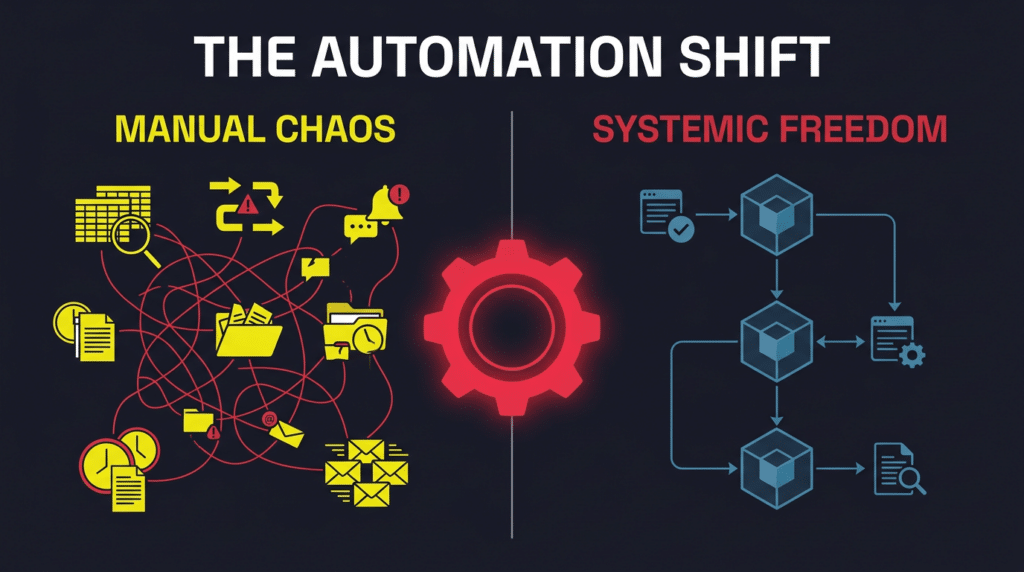
Real automation works in the background. You record a client call. The system transcribes it, extracts key insights, and generates content. You review and approve. That’s it.
Fake automation requires constant input. You have to prompt the AI, review every output, and fix errors manually. That’s not automation. That’s a more complicated way to do the same work.
How to evaluate AI automation providers?
Ask three questions. Their answers tell you everything you need to know.
What exactly will I own when this project is complete?
The right answer includes workflows, prompts, trained models, and data. You should be able to run everything without them. If they mention ongoing platform access or subscription requirements, walk away.
How do you capture my specific expertise?
The right answer involves recording your actual work. Sales calls, client conversations, strategy sessions. They should extract your real knowledge, not generic industry templates.
Wrong answers include “we’ll interview you about your process” or “we use industry best practices.” Your expertise isn’t in your head. It’s in your work.
What happens if I want to stop working with you?
The right answer is “you keep everything and it keeps working.” Wrong answers involve platform dependencies, ongoing technical support requirements, or losing access to your own systems.
What concrete outcomes should you expect?
Real AI automation delivers specific, measurable results. Time saved. Manual work eliminated. Revenue protected through consistent visibility.
A Content Engine should turn one recorded conversation into multiple pieces of content. Cold email automation should send personalized outreach while you sleep. A Voice Assistant should handle routine questions without your input.
Vague promises about “efficiency gains” or “improved productivity” mean the provider doesn’t know what they’re building. Concrete outcomes mean they’ve done this before.
Why most AI automation fails?
Most providers are SaaS resellers, not system builders. They connect existing tools and call it custom automation. When the tools change, break, or get discontinued, your “custom” system stops working.
Others build everything on their own platform. They control your data, your workflows, and your outcomes. You’re not buying automation. You’re renting it.
The right provider builds systems that work independently. They use your tools, your accounts, and your infrastructure. You control everything from day one.
So in summary
The best AI automation provider isn’t the closest one. It’s the one who builds systems you own that run without constant supervision. They capture your actual expertise, not generic templates. They deliver concrete outcomes, not vague promises about productivity.
Distance doesn’t matter when the work happens in the cloud. Ownership matters when you want systems that work long-term. Find the provider who gives you both.
Checklist
- Confirm you’ll own all workflows, prompts, and data outright
- Verify they capture your specific expertise, not generic templates
- Ask what happens if you stop working with them
- Request concrete examples of time saved and manual work eliminated
- Ensure systems run independently without ongoing platform dependencies
- Evaluate based on outcomes delivered, not geographic proximity
FAQ
How do I know if an AI automation provider will actually deliver results?
Ask for specific examples of time saved and manual work eliminated. Real providers can tell you exactly how many hours their Content Engine saves per week or how their Cold Email system generates responses without daily management. Vague promises about “efficiency” usually mean they haven’t measured actual outcomes.
What’s the difference between owning my AI systems versus renting them?
When you own the system, you control the workflows, prompts, and data. You pay AI providers directly at cost. If you want changes, you make them. When you rent, the provider controls everything and charges ongoing fees. You lose access if you stop paying, even though it’s your business expertise powering the system.
Why do most AI automation projects fail after a few months?
Most providers build dependencies, not independence. They create systems that require their ongoing involvement to function. When priorities shift or contracts end, the automation stops working. Real automation runs in the background without needing constant provider input or platform access.
How long should it take to see results from AI automation?
Content automation should start producing results within weeks of capturing your expertise. Cold email systems should begin generating responses immediately after setup. Voice assistants should handle routine questions from day one. If you’re waiting months for basic functionality, the provider is overcomplicating simple workflows.
Can I scale AI automation systems without ongoing provider support?
Yes, if you own the underlying workflows and prompts. Scaling means adding more content sources, expanding email sequences, or training assistants on new topics. When you control the system components, you can make these changes directly. Platform-dependent solutions require provider involvement for every modification.
What happens to my AI systems if the provider goes out of business?
If you own the workflows, prompts, and data, nothing changes. Your systems keep running because they operate independently. If everything lives on the provider’s platform, you lose access to your own business automation. This is why ownership matters more than the provider’s current success or proximity.