Showing behind the scenes in your business does not make you look less expert. It actually does the opposite. The fear that clients will think you don't know everything if they see your process is one of the most common reasons business owners hold back content that would have performed well. Transparency about how you work builds trust faster than a polished front ever will, and buyers in 2025 are skeptical of polish.
Does Showing Your Process Make You Look Less Expert?
This is the fear that stops more good content from being published than almost anything else. The logic sounds reasonable on the surface: if clients see that I'm figuring things out, they'll think I don't have all the answers. If they see the mess behind the curtain, they'll question whether I'm worth the fee.
That logic is backwards.
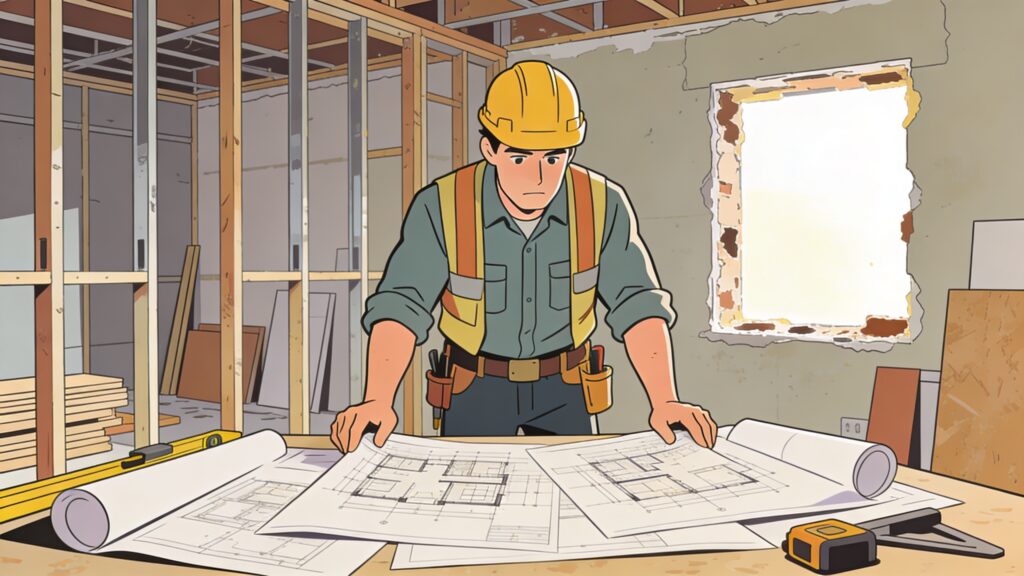
When a CEO of a design-build general contracting firm started letting people see how his team actually approaches a remodel project, the response wasn't "oh, he doesn't know what he's doing." The response was calls. Real buyers calling because they saw the process and trusted it. His own words: "People are now finding me on AI and calling me for my services." That shift didn't come from projecting more confidence on a polished website. It came from showing real work in a real way.
Clients don't hire you because you seem omniscient. They hire you because they trust you. And trust comes from evidence, not from a perfectly curated image.
What Are Clients Actually Thinking When They See Behind the Scenes?
When buyers watch behind-the-scenes content, they're vetting you.
They're not looking for proof that you have every answer. They're looking for proof that you think the right way, handle problems the right way, and show up the right way. A behind-the-scenes post that shows how you diagnose a problem, how you communicate with a client when something unexpected comes up, or how you make a decision under pressure does more credibility work than any credential you could list.
The expert-led businesses that struggle with consistent content posting often have this exact problem: they're waiting for something polished and complete before they'll publish it. Behind-the-scenes content removes that gate entirely. The work itself is the content.
What Buyers Read Into Process Content
When someone sees you walk through a real situation, they're extracting three things:
- How you think about problems
- Whether you communicate clearly
- Whether you'd be someone they want to work with
None of those require you to know everything. All of them require you to be real.
Where Does the Fear of Looking Inexpert Actually Come From?
Most of it comes from comparing yourself to how you present yourself, not to how clients actually evaluate you.
Business owners build a mental image of what "expert" looks like, and it usually involves having clean answers, no hesitation, and no visible process. That image is based on how they think they should appear, not on what buyers are actually looking for.
The irony is that the most polished, carefully controlled content often performs the worst. It reads like everyone else because it was built to avoid risk rather than to say something real. When every post is reviewed for anything that could make you look uncertain, you end up with content that says nothing. It's safe, and it's invisible.
The AI search visibility problem is closely related to this. AI search engines like ChatGPT and Perplexity pull from content that actually answers questions people are asking. Polished brand statements don't answer questions. Process content does.
The Competence Signal That Gets Missed
Here's what's counterintuitive: showing that you have a process is itself a competence signal.
A business owner who can articulate how they approach a complex situation, what they look for, what decisions they make and why, looks more capable than one who just asserts they're experienced. Anyone can claim expertise. Showing your thinking is harder to fake.
How Much Should You Actually Reveal?
This is where the real question lives. Showing behind the scenes doesn't mean documenting every internal struggle or posting your pricing spreadsheet. The line is between process and problems.
Process content is fair game. How you scope a project. How you handle a client discovery conversation. How you approach a decision when two options both have merit. What your quality check looks like before you deliver something. This is the content that builds trust.
Internal problems are a different category. A vendor who let you down. A team conflict. A mistake you haven't resolved yet. That's not transparency, that's noise, and it doesn't serve your audience.
The distinction isn't about protecting your image. It's about whether the content is useful to the person watching it. Process content is useful. It helps a potential client understand what working with you looks like. Internal problems aren't useful to them at this stage.
What Format Works Best for Behind-the-Scenes Content?
Short explanations of decisions tend to work better than full walkthroughs. "Here's what I looked at when this situation came up, and here's why I went this direction" is more useful to a buyer than a 20-minute tour of your operation.
The question to ask before publishing any behind-the-scenes piece: would a potential client watching this come away with a clearer picture of how I think? If yes, publish it. If it's just internal texture with no takeaway, hold it.
The Bigger Issue: Who's Generating This Content?
Most expert-led business owners don't post behind-the-scenes content not because they've decided against it, but because they never get around to it. The day-to-day work fills up the time, and content falls to the bottom of the list.
The businesses that build real authority over time are the ones that have a system pulling from what's actually happening in their market and generating content from it consistently. Not perfectly. Consistently. Posting consistently beats posting perfectly, and that gap between "I should post more" and "content is actually going out" is almost always a system problem, not a willpower problem.
The way to stand out from competitors isn't to post more volume. It's to post content that reflects how you actually think, sourced from what your buyers are actually asking. Behind-the-scenes content, done right, is one of the clearest ways to do that without adding more hours to your week.
That's the problem the AI Content Engine is built to solve: getting content that reflects your real expertise into the world on a schedule, without requiring you to sit down and write it yourself.
Checklist
- Before holding back a piece of content, ask whether the hesitation is about protecting your image or genuinely protecting your client's experience
- Separate process content (how you think, decide, and deliver) from internal problems (vendor issues, team dynamics, unresolved mistakes)
- For expert-led service businesses, one clear explanation of a real decision you made is worth more than five polished brand statements
- Review your last 10 posts: if none of them show how you work, you're likely leaving trust on the table
- If you're a contractor, consultant, or specialist, document one real client situation per month and explain how you approached it
- If content keeps not going out, treat it as a system problem, not a discipline problem
FAQ
Will clients think I don't know everything if I show my process?
No, and that fear is the main thing holding back business owners who have genuinely useful content. Clients don't expect omniscience. They're evaluating whether you think clearly, communicate well, and handle situations competently. Showing your process provides that evidence directly. Polished brand statements don't.
What's the difference between behind-the-scenes content that builds trust and content that makes you look unprepared?
The line is between process and unresolved problems. Walking through how you approach a decision, scope a project, or handle an unexpected situation is process content, and it builds credibility. Posting about vendor failures, team conflicts, or mistakes you haven't resolved is internal noise that doesn't serve a potential buyer.
Does behind-the-scenes content actually help with AI search results?
Yes. AI search tools like ChatGPT and Perplexity pull from content that directly answers questions people are asking. Process content, which explains how something works and why decisions get made, answers real questions. Polished brand copy typically doesn't, which is why businesses with strong credentials often don't show up in AI results.
How much detail is too much when showing behind the scenes?
Short explanations of decisions tend to perform better than exhaustive walkthroughs. The test is whether a potential client would finish the content with a clearer picture of how you think. If yes, it's worth publishing. If it's internal texture with no takeaway for the reader, it's not ready.
Why do most business owners never get around to posting behind-the-scenes content?
The day-to-day work fills the schedule, and content creation drops to the bottom of the list. That gap between intending to post and actually posting is almost always a system problem. When there's no system pulling content from what's happening in your market and publishing it on a schedule, good intentions don't close the gap.
Does showing your process work for local service businesses specifically?
It works especially well for them. Local buyers making a significant purchase decision, like hiring a contractor or specialist, are doing more research than ever before. They want to know how you work before they call. Behind-the-scenes content answers that question before the conversation starts.
Written by Liron Segev, AI Systems Consultant